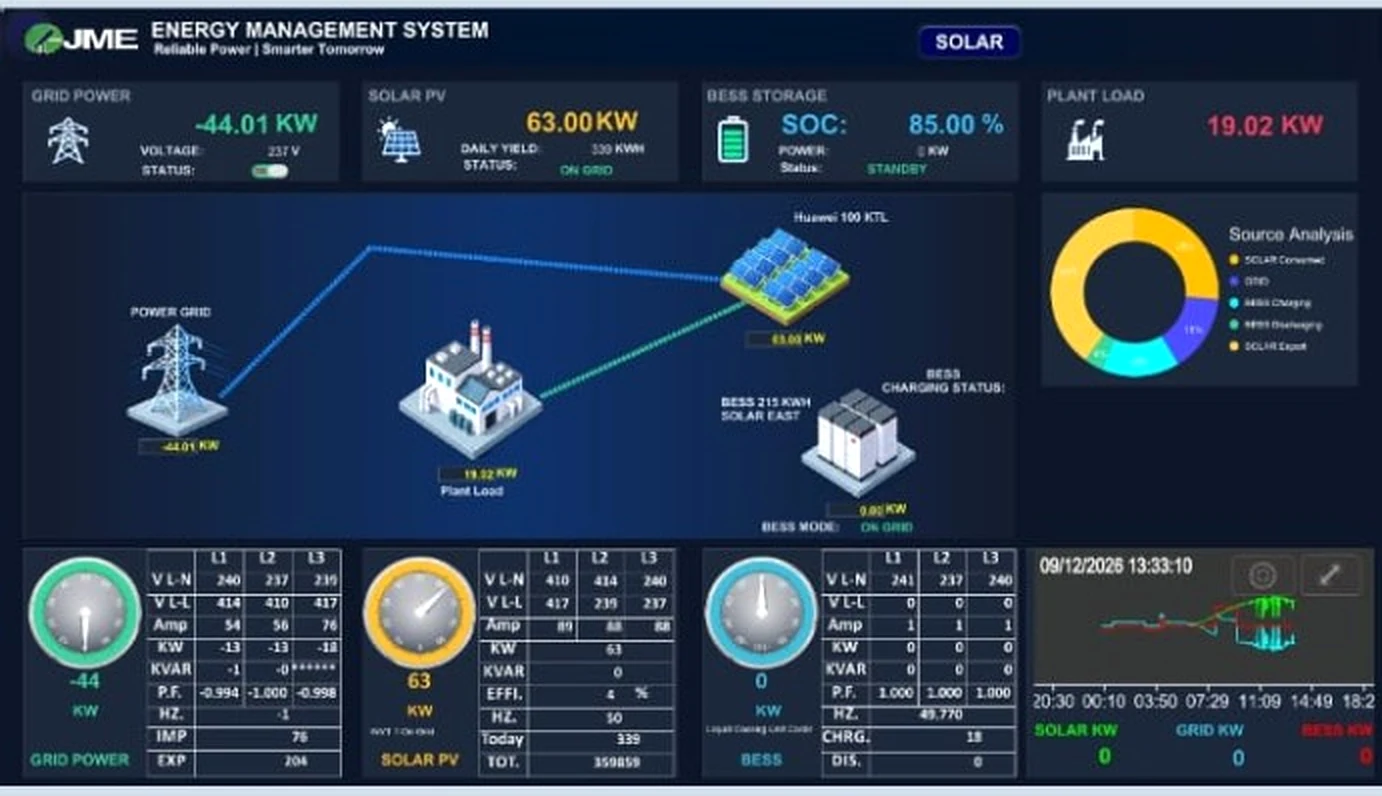
Real project EMS dashboard showing coordinated visibility across the hybrid-energy system. Displayed values are timestamped operating snapshots.
SolarEast 215 kWh BESS Integration in Pakistan — Solar, Genset, Grid & EMS
One Coordinated Energy System. Multiple Energy Sources. Engineered for Reliable Operation.
JME Energy & Automation integrated a SolarEast 215 kWh BESS, 100 kW Huawei on-grid solar system, 100 kVA genset and WAPDA supply into one SYNCGEN EMS environment for coordinated monitoring, energy control and operating visibility in Pakistan.
Why an Engineering-Led EMS Integration Matters
Industrial sites increasingly need BESS, solar, genset and utility power to work together reliably. JME’s approach is to start from the installed equipment, available communication interfaces and project-specific control requirements, then engineer the EMS integration layer around the site’s real operating needs and future expansion requirements.
- Use existing working assets instead of replacing equipment without a technical reason
- Bring WAPDA, solar, BESS and genset data into one operator environment
- Use available communication interfaces and practical field integration methods
- Focus engineering effort on required operating functions such as peak shaving, battery scheduling and source coordination
- Keep the architecture understandable for operation, troubleshooting and future expansion
Project Configuration
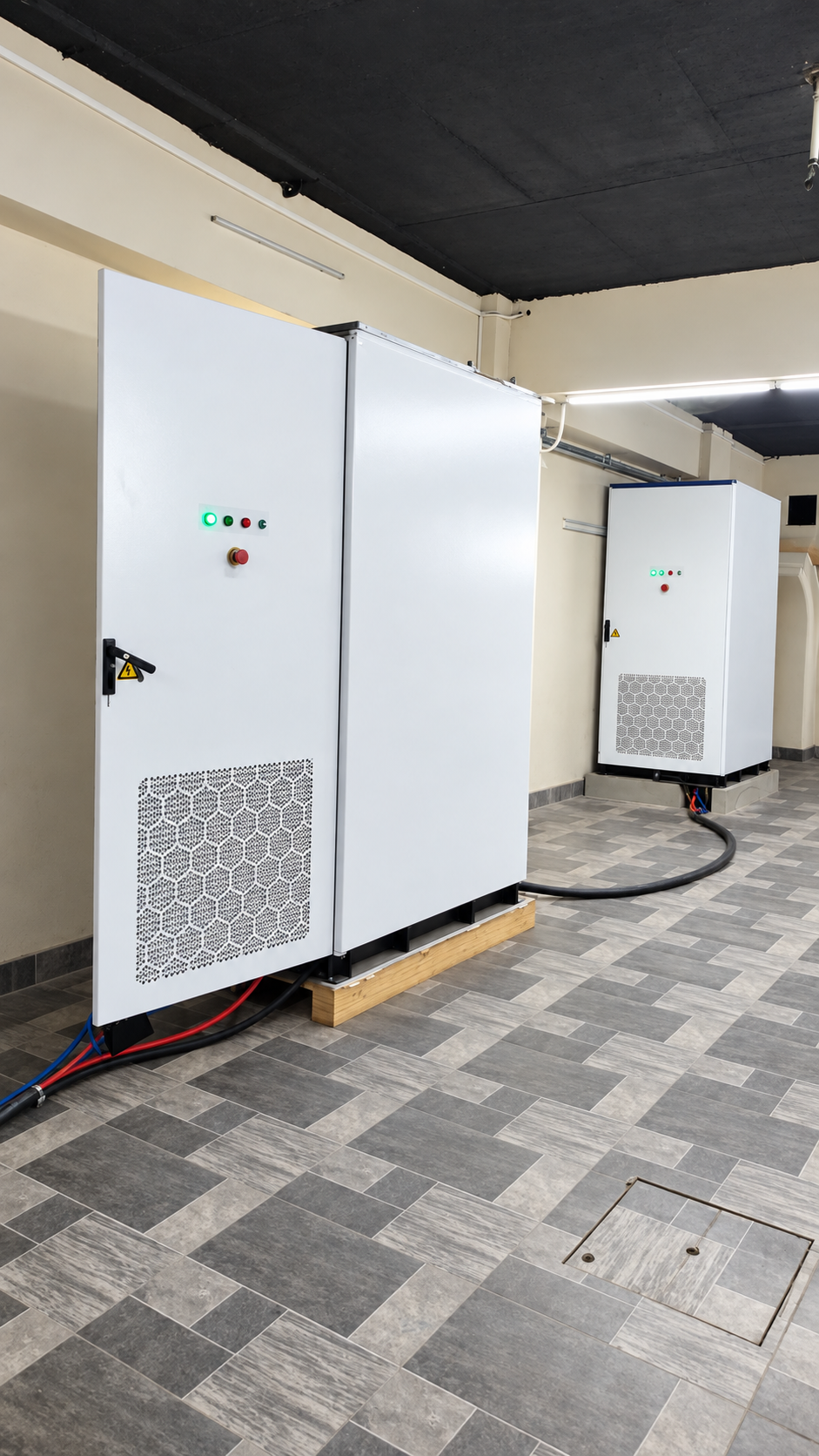
Field equipment from the installed SolarEast 215 kWh BESS system used in the JME EMS integration project in Pakistan.
- 100 kW Huawei on-grid solar PV
- SolarEast 215 kWh battery energy storage system
- 100 kVA diesel genset
- WAPDA / utility grid supply
- SYNCGEN EMS monitoring and integration environment
This is the configuration of this project only. SYNCGEN EMS is not tied to these equipment ratings, manufacturers or a fixed hardware architecture. Each integration is engineered around the installed equipment, available interfaces and site operating requirements.
SolarEast 215 kWh BESS Used in This Pakistan Project
The battery energy storage system in this project is a 215 kWh SolarEast BESS. JME Energy & Automation handled the hybrid-energy and EMS integration layer, coordinating the BESS with Huawei solar, WAPDA / grid supply, genset operation and plant-load monitoring. SolarEast is referenced here as the BESS manufacturer used in this project; this case study does not claim that JME is an authorized SolarEast distributor or representative.
For manufacturer product context, see SolarEast’s official 215 kWh commercial and industrial energy storage system. The operating results and integration details on this page describe JME’s actual Pakistan project, not a manufacturer performance guarantee.
Operating Functions Implemented
- Peak shaving
- Valley filling / off-peak battery charging strategy
- Load-shedding coverage using the BESS
- Grid-connected / off-grid BESS operating coordination
- Battery charge and discharge coordination
- Solar, BESS, genset and WAPDA monitoring in one EMS
- Limited / zero-export operating strategy where required by the control philosophy
Communication Testing and EMS Commissioning Evidence
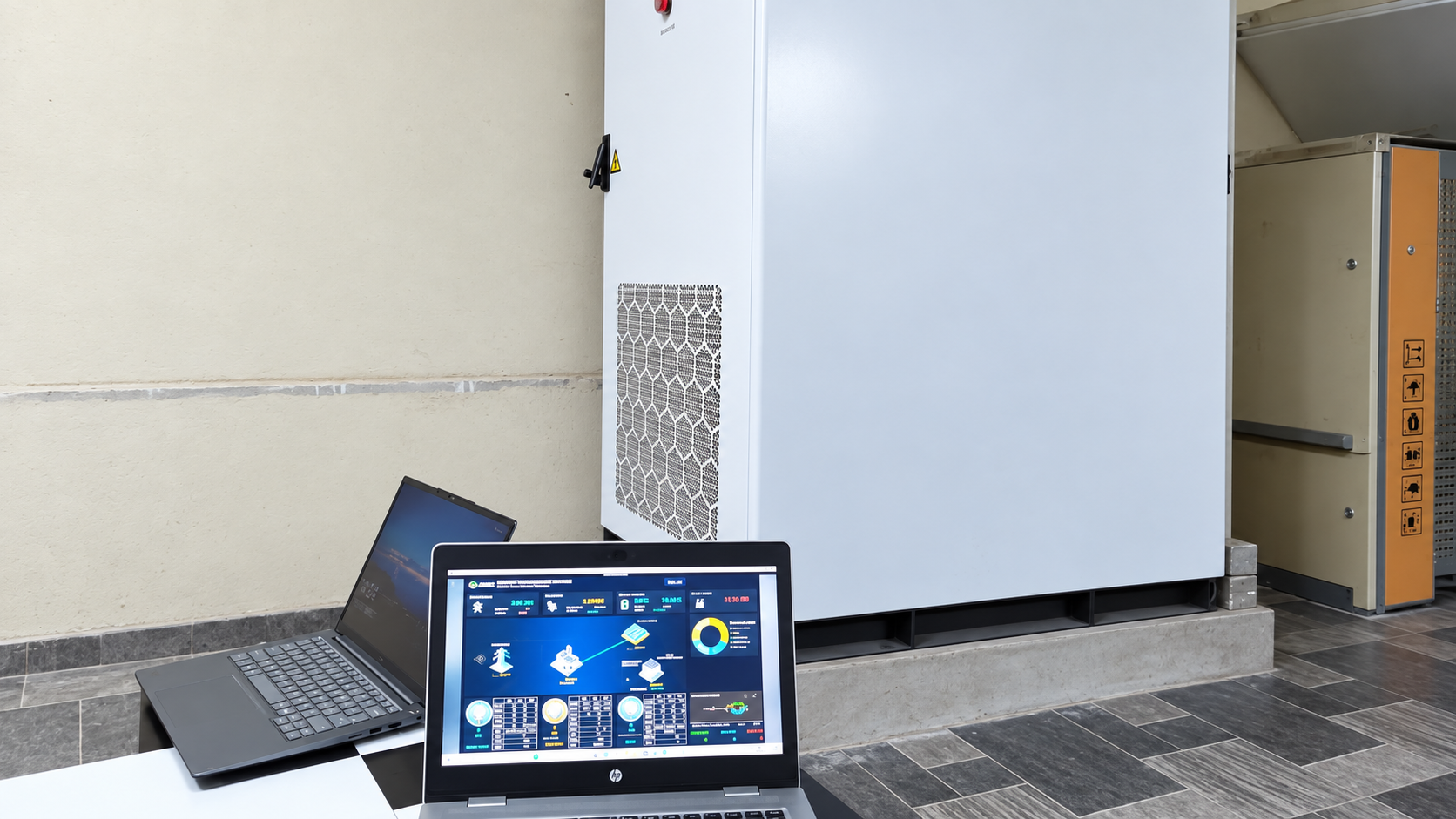
Before operational handover, JME verified communication links, source measurements, equipment status, data mapping and the unified EMS operating view against the installed system. This stage confirms that BESS, solar, genset, WAPDA and load information is presented consistently before control functions are relied upon.
Engineering Boundary and Planned Seamless-Transfer Improvement
The installed BESS does not currently provide the VSG capability required for the intended seamless transition architecture. Peak shaving, valley filling, scheduled charging and load-shedding support are operational functions, while an SDS is planned for the next integration stage to support the required seamless-transfer sequence. Stating this boundary distinguishes implemented operation from planned enhancement.
Unified EMS Dashboard
The operator dashboard combines grid power, solar generation, BESS state of charge and power, plant load, source analysis, electrical measurements and historical trends in one view. This gives the site team a single operating picture instead of separate vendor screens for each energy source.
Values visible in project screenshots are timestamped operating snapshots. They demonstrate the monitoring architecture and live data acquisition, not guaranteed long-term performance or financial savings.
Beyond the Main Dashboard: BESS Diagnostics
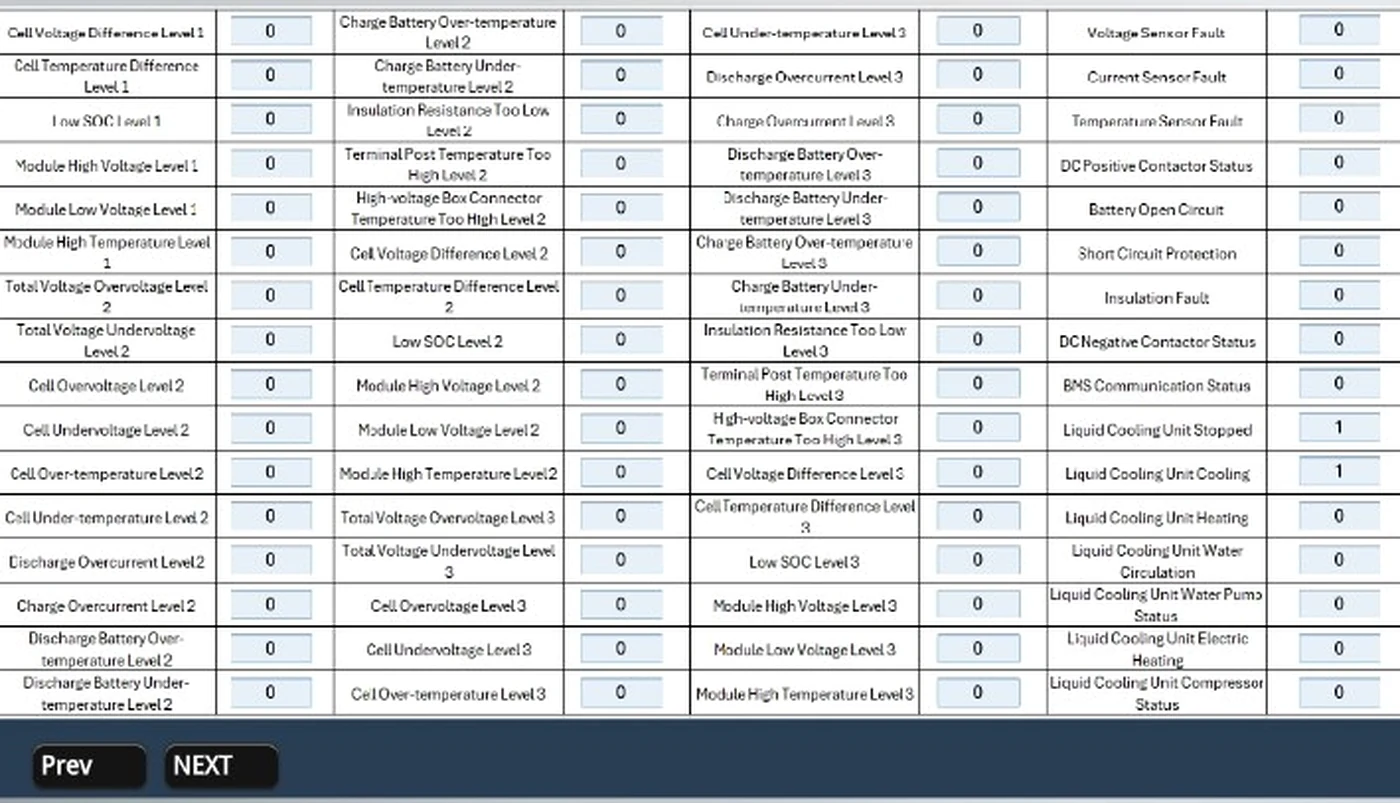
Selected BESS diagnostic view from the installed system. Additional technical screens are retained as engineering evidence rather than published in full.
Where the equipment interfaces allow it, SYNCGEN EMS can expose deeper BESS status and fault information beyond the main power-flow screen. This supports operation and troubleshooting without turning the public case study into a component-level implementation document.
SYNCGEN EMS Integration Layer
Learn more about the platform on the SYNCGEN EMS industrial energy management page.
SYNCGEN EMS provides the project-specific integration and supervisory layer between connected energy assets and the operator environment. The public architecture is intentionally shown at functional level because controller, gateway and network selections vary according to the equipment, interfaces, operating philosophy and scale of each site.
Operating Mode Coordination
Hybrid-energy projects require the EMS, BESS, solar system, genset controls, metering and switchgear to operate as one coordinated system. JME evaluates communication interfaces, operating modes, interlocks and transfer requirements during integration so the control philosophy matches the site’s equipment capabilities and operational requirements.
What Makes This Project Useful for Industrial Buyers?
This project shows a practical path for sites that already have, or are planning, on-grid solar and want to add BESS while retaining WAPDA and genset backup. The key engineering question is not simply which EMS software to buy; it is how the existing devices will communicate, which operating modes are technically possible, what additional hardware is actually required and how the site team will operate the finished system.
Engineering-led integration means selecting what the plant actually requires. Existing assets are retained where technically suitable, while monitoring, control, documentation and maintainability are engineered around the real operating objectives.
BESS Integration Questions
Is JME’s 215 kWh BESS project in Pakistan based on a SolarEast system?
Yes. The installed battery energy storage system is a 215 kWh SolarEast BESS. JME integrated it with 100 kW Huawei on-grid solar, a 100 kVA genset, WAPDA / grid supply and the SYNCGEN EMS environment for coordinated monitoring and energy-control functions.
Can an EMS integrate BESS, solar, genset and WAPDA together?
Yes, when the installed equipment provides suitable measurements, communication interfaces and controllable operating modes. The integration philosophy must be engineered around the actual devices and switchgear.
What is the difference between peak shaving and valley filling?
Peak shaving discharges stored energy to reduce demand during high-load periods. Valley filling schedules charging during lower-demand or lower-tariff periods, subject to battery and site constraints.
Does every BESS provide seamless grid-to-island transfer?
No. Seamless transfer depends on the BESS operating modes, grid-forming or VSG capability, switchgear, protection and the complete transition architecture.
Can existing solar and genset equipment be retained?
Often yes. JME first verifies inverter access, generator-controller data, metering, protection and communications before defining what can be retained and what additional integration hardware is required.
Related engineering resources: PV–genset and PV-diesel control, unified SCADA and genset synchronization, and SYNCGEN EMS.
No Guesswork. Know Before You Buy.
Send JME your SLD, inverter and BESS details, genset controller information and existing communication architecture. We can first identify the likely EMS integration path, communication gaps and technical constraints before you commit to a full project.
See more JME integration work in the Parliament House Solar Monitoring & SCADA Integration and Punjab Assembly Solar & Power SCADA Integration case studies.